
In the world of cotton production and textile logistics, packaging plays a vital role in protecting fiber quality and ensuring smooth transport from farms to mills. One of the most revolutionary packaging solutions in modern agriculture is cotton bale wrap — a durable, weather-resistant film designed to keep bales clean, dry, and contamination-free.
Cotton, as a natural fiber, is highly susceptible to moisture, dust, and mechanical damage. Traditional jute or woven coverings often failed to protect it adequately during long-distance shipping and outdoor storage. The introduction of plastic-based cotton bale wrap, especially made from high-performance polyethylene (PE), transformed the cotton supply chain.

Among the top global suppliers, Sinyar Packing Film has emerged as a leading manufacturer of agricultural and industrial wrapping films, offering innovative cotton bale wrap solutions that combine strength, flexibility, and sustainability.
This article will give you a complete understanding of cotton bale wrap — its features, production process, advantages, applications, and how to select a reliable supplier for your business.
What is Cotton Bale Wrap?
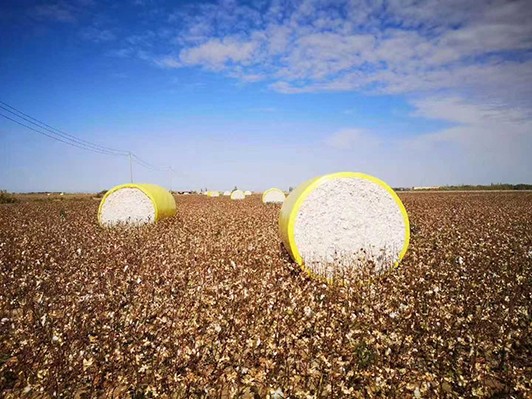
Cotton bale wrap is a high-strength film designed to cover and protect compressed cotton bales. It ensures that the cotton remains free from contamination, moisture, and UV exposure during storage and transport.
Key Functions
- Moisture Barrier: Prevents water penetration and protects cotton from mold or degradation.
- Dust Protection: Ensures fiber purity and quality.
- UV Resistance: Shields cotton from sunlight during outdoor storage.
- Tear Resistance: Withstands mechanical pressure from compression and handling.
Typically, each bale is wrapped with polyethylene film, either as sheeted wrap or tubular continuous film, depending on the packaging system used.
The Importance of Proper Cotton Bale Wrapping
Cotton is one of the most valuable agricultural exports globally. However, its quality can deteriorate quickly if not properly packaged.
1. Prevents Contamination
Even small amounts of dust, plastic, or debris can cause significant losses in cotton grading and spinning efficiency.
2. Maintains Fiber Integrity
High tensile and tear-resistant films ensure the bale’s shape remains stable, reducing compression losses.
3. Weather Protection
UV-stabilized wraps protect bales stored outdoors for months without degradation.
4. Enhances Handling Efficiency
Uniformly wrapped bales are easier to stack, store, and transport.
5. Supports Traceability
Custom printing on wraps allows tracking of bale information (farm, batch, grade, etc.).
Materials Used in Cotton Bale Wrap Manufacturing
Modern cotton bale wraps are primarily made from polyethylene-based polymers, which combine flexibility, strength, and recyclability.
1. Linear Low-Density Polyethylene (LLDPE)
- Offers excellent stretch and tear resistance.
- Ideal for compression applications.
2. High-Density Polyethylene (HDPE)
- Used for added rigidity and puncture strength.
- Provides enhanced weather resistance.
3. Additives and UV Stabilizers
- Prevent film degradation under sunlight exposure.
- Maintain color and mechanical integrity for 12–24 months.
4. Anti-Static and Slip Agents
- Reduce static buildup during high-speed wrapping.
- Enhance bale handling safety.
Sinyar Packing Film uses premium-grade resins and multi-layer co-extrusion technology to produce wraps that meet international cotton packaging standards.
How Cotton Bale Wrap is Manufactured
- Raw Material Selection – Blending LLDPE, HDPE, and additives for desired performance.
- Co-Extrusion Process – Producing multi-layer film with barrier and stretch layers.
- Cooling & Winding – Controlled thickness and tension to ensure even wrapping.
- Cutting & Folding – Tailored to fit automatic cotton wrapping systems.
- Quality Testing – Assessing film thickness, tensile strength, puncture resistance, and elongation.
This precise process ensures every roll of cotton bale wrap performs consistently — especially under extreme compression and outdoor exposure.

Types of Cotton Bale Wrap
1. Tubular Cotton Bale Wrap
- Used in fully automated wrapping systems.
- Provides complete 360° protection.
- Minimizes labor and improves speed.
2. Sheet Cotton Bale Wrap
- Flat sheets manually or semi-automatically applied.
- Suitable for small-scale cotton operations.
3. Printed Cotton Bale Wrap
- Allows customization with logos, tracking codes, or bale IDs.
4. UV-Stabilized Wrap
- Designed for long-term outdoor storage.
Performance Features of High-Quality Cotton Bale Wrap
| Property | Description |
|---|---|
| Thickness | 80–200 microns (varies by region and bale size) |
| UV Resistance | 12–24 months protection |
| Tensile Strength | High durability for compressed bales |
| Puncture Resistance | Prevents film tearing during handling |
| Flexibility | Withstands temperature fluctuations |
| Color Options | White, black, yellow, or custom |
| Recyclability | 100% recyclable PE material |
Applications of Cotton Bale Wrap
- Cotton Ginneries – For packaging freshly pressed cotton bales.
- Textile Mills – Protects bales during transit to spinning facilities.
- Agricultural Exporters – Ensures quality retention during sea freight.
- Warehouses – Prevents contamination and moisture buildup.

Advantages of Using Cotton Bale Wrap
- Superior Protection: Resists weathering, dust, and abrasion.
- Long-Term Storage: UV-resistant for extended outdoor exposure.
- Improved Logistics: Easier to load, stack, and transport.
- Brand Identity: Customizable for traceability and marketing.
- Sustainability: Recyclable and eco-friendly production options.
Sustainability and Recycling
Modern cotton bale wraps align with global sustainability goals. Manufacturers are increasingly using recyclable materials and thinner yet stronger films to reduce plastic waste.
- Recyclability: PE wraps can be collected and repurposed for industrial use.
- Reduced Carbon Footprint: Lighter films mean lower transportation emissions.
- Waste Management: Programs encourage bale wrap collection for recycling.
Sinyar Packing Film actively invests in green manufacturing practices, promoting recyclable and energy-efficient film production.
Global Market Trends for Cotton Bale Wrap
The global market for cotton bale wrap is expanding rapidly due to:
- Rising Cotton Production – Especially in Asia-Pacific, Africa, and the Americas.
- Automation in Ginning Plants – Demand for machine-compatible wraps.
- Sustainability Regulations – Push for recyclable films.
- Export Growth – Increased cotton trade driving packaging needs.
Leading exporters such as Australia, India, and the U.S. are adopting high-quality wraps to maintain fiber standards in global markets.

Sinyar Packing Film: A Trusted Cotton Bale Wrap Manufacturer
With decades of expertise in agricultural and industrial film extrusion, Sinyar Packing Film has established itself as a global supplier of high-performance cotton bale wraps.
What Makes Sinyar Stand Out
- State-of-the-art Extrusion Lines: Ensure consistency and strength.
- Customized Solutions: Tailored film sizes, colors, and prints.
- Advanced Testing: Every batch tested for tensile, tear, and UV performance.
- Global Reach: Trusted by cotton processors and exporters worldwide.
- Eco-Friendly Initiatives: Focus on recyclable and reduced-weight films.
Through innovation and reliability, Sinyar has become a preferred partner for cotton producers seeking superior protection and long-term durability.
How to Choose the Right Cotton Bale Wrap Supplier
- Evaluate Material Quality – Check strength, UV stability, and recyclability.
- Assess Manufacturing Standards – ISO-certified facilities indicate quality assurance.
- Customization Options – Look for suppliers offering custom thickness, print, and width.
- Global Experience – Ensure proven export logistics and customer service.
- Sustainability Focus – Choose suppliers investing in eco-friendly film technology.
Partnering with experienced manufacturers like Sinyar Packing Film ensures product reliability and long-term value.
Frequently Asked Questions (FAQs)
Q1: What is cotton bale wrap made of?
A: Primarily polyethylene (LLDPE/HDPE) with UV stabilizers and performance additives.
Q2: How long does cotton bale wrap last outdoors?
A: Quality wraps offer 12–24 months of UV protection, depending on storage conditions.
Q3: Is cotton bale wrap recyclable?
A: Yes, it is fully recyclable and can be reprocessed into other plastic products.
Q4: Can cotton bale wrap be printed with logos or tracking info?
A: Yes, many manufacturers, including Sinyar Packing Film, provide custom printing services.
Q5: What colors are available?
A: Commonly white, yellow, black, or green — each offering different UV reflection levels.
Q6: What thickness is best?
A: Typically 100–150 microns for standard cotton bales, though customized gauges are available.
Q7: What makes Sinyar Packing Film a trusted supplier?
A: Its cutting-edge technology, international experience, and commitment to sustainable production.
Conclusion
Cotton bale wrap has become an essential tool in protecting and preserving cotton fiber quality from farm to factory. With its strength, UV resistance, and moisture protection, it ensures that bales reach their destination clean, dry, and contamination-free.
As global demand for high-quality cotton continues to grow, choosing the right cotton bale wrap manufacturer is critical. Sinyar Packing Film combines technical expertise, innovation, and sustainable practices to provide world-class solutions trusted by cotton producers and exporters worldwide.
From custom colors to recyclable materials, Sinyar is redefining modern cotton packaging — ensuring that every bale is securely wrapped, environmentally responsible, and ready for global trade.