
In modern agriculture, where yields must be high, feed must be preserved, and operations must remain cost-efficient, silage film has emerged as a game-changing innovation. Designed to store and protect fermented forage crops, silage film ensures livestock get high-quality feed even months after harvesting. It’s a staple for dairy and livestock farms worldwide, ensuring both food safety and economic sustainability.
This in-depth guide will explore everything you need to know about silage film—from how it works, to its benefits, applications, specifications, and how leaders like Sinyar Packing Film are revolutionizing the space with cutting-edge solutions.
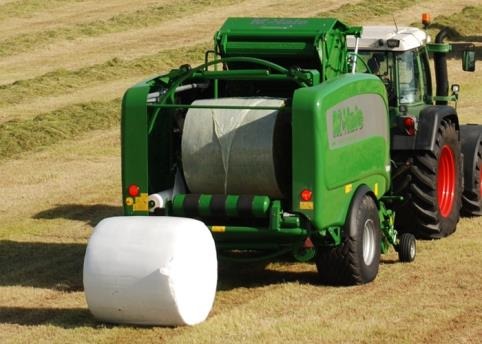
What Is Silage Film?
Silage film is a specialized agricultural plastic film used to wrap and seal forage crops like corn, grass, and legumes to facilitate anaerobic fermentation. The goal is to preserve feed for livestock by protecting it from moisture, air, and UV rays, which can degrade the nutritional value of the silage.
Made primarily from low-density polyethylene (LDPE) or linear low-density polyethylene (LLDPE), silage films come in various sizes, thicknesses, and colors, depending on the storage method (bales, pits, tubes).
The Science Behind Silage Preservation
Silage-making involves harvesting high-moisture forage crops, compacting them, and sealing them in an anaerobic (oxygen-free) environment. Silage film plays a crucial role by creating a barrier that:
- Excludes oxygen, encouraging lactic acid fermentation.
- Locks in moisture, maintaining the right humidity for microbial activity.
- Prevents spoilage, protecting against mold, yeast, and harmful bacteria.
When done right, this process retains up to 90% of the crop’s nutritional value, making it a reliable source of feed year-round.
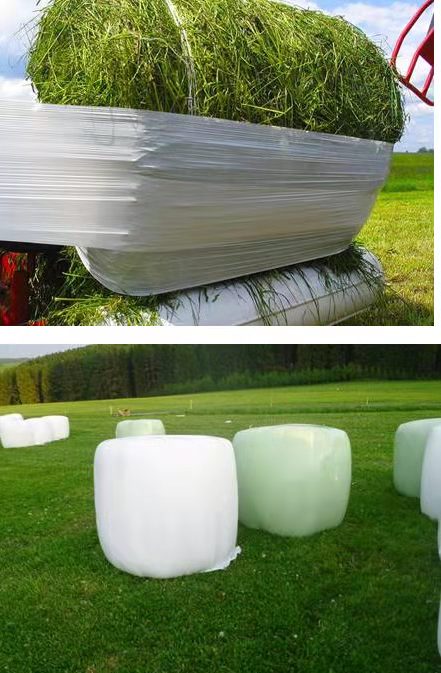
How Silage Film Works
Once forage is harvested and compressed into bales or pits, silage film is tightly wrapped around the material using either automatic wrappers or manual techniques. Modern silage films are multi-layered, offering strong oxygen barriers, UV resistance, and mechanical strength.
Some key features include:
- Stretchability (up to 70%) to ensure tight wrapping.
- Adhesive properties for self-clinging layers.
- UV resistance for outdoor exposure up to 12 months or longer.
- Tear and puncture resistance for secure sealing.
Key Benefits of High-Quality Silage Film
Silage film isn’t just about covering bales—it’s a critical investment in livestock health and farm efficiency.
1. Nutrient Preservation
Well-sealed silage maintains high protein and energy content, resulting in better milk production and animal growth.
2. Reduction in Waste
With strong oxygen barriers, spoilage is minimized, leading to lower feed losses.
3. Cost-Efficiency
Good-quality silage film reduces the need for preservatives and frequent feed replacement.
4. Year-Round Availability
Farmers can store feed during peak harvest and use it in off-seasons, ensuring continuous supply.
Enhanced Oxygen Barrier Properties
Oxygen is the enemy of silage. That’s why the best silage films—especially multi-layer co-extruded films—offer:
- Ultra-low oxygen permeability (OTR)
- Increased density and cling layers
- Long-lasting barrier performance, even in harsh weather
UV Stability and Weather Resistance
Since silage is often stored outdoors, UV protection is essential. Films with UV stabilizers resist degradation, cracking, and brittleness caused by sun exposure.
Most premium silage films provide protection for:
- 6 to 24 months
- Temperatures from -40°C to +50°C
- Rain, wind, and extreme humidity
This ensures your silage is safe from nature’s elements.

Types of Silage Film
Silage films are available in multiple variants:
| Type | Color | Use Case |
|---|---|---|
| Black | Black | Excellent light blocking, most popular for UV protection |
| White | White | Reflects heat, great for hot climates |
| Green | Light green | Aesthetic and often blends with field colors |
| Transparent | Clear | Monitoring of fermentation or bale condition |
| Multi-Layer | Varies | Highest performance for long-term storage and high-yield farms |
Silage Wrap vs. Silage Sheet vs. Silage Bag
Each storage method uses a different type of film:
| Method | Description |
|---|---|
| Silage Wrap | Applied directly to round or square bales using wrapping machines |
| Silage Sheet | Large sheets used to cover silage pits or bunkers |
| Silage Bag | Long plastic bags filled with chopped forage, sealed at both ends |
Each method has its own pros and cons depending on storage space, climate, and crop type.

Common Applications of Silage Film
Silage films are used across a wide range of forage types:
- 🌾 Corn Silage
- 🌱 Alfalfa
- 🌿 Sorghum
- 🍀 Clover
- 🥬 Mixed Grasses
- 🌻 Leguminous Plants
These crops are wrapped post-harvest for preservation, improving their digestibility and shelf life.