
Machine stretch film has become one of the most essential packaging materials in modern logistics and manufacturing. As global supply chains accelerate, companies need secure, efficient, and cost-effective pallet wrapping solutions that protect products and improve warehouse operations. Machine stretch film fulfills all these demands, offering high stretch capacity, strong load containment, and remarkable cost savings compared to manual wrapping.
This complete guide explores the entire world of machine stretch film—from its definition, manufacturing process, specifications, and applications, to global market trends and expert industry insights. It is written to help businesses, purchasing managers, and packaging engineers understand how to select the right film and how a reliable supplier such as Sinyar Packing Film can support long-term packaging success.
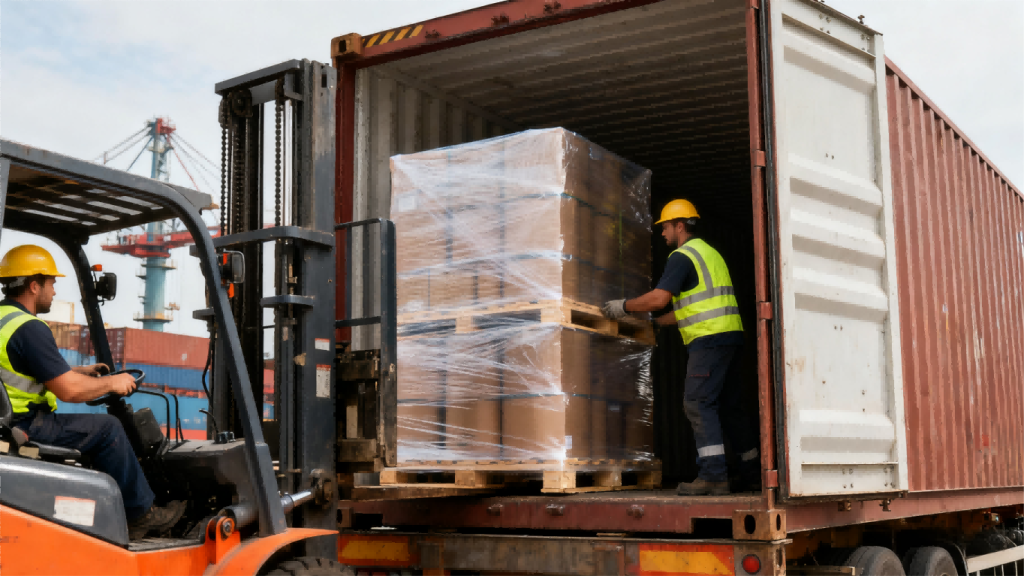
What Is Machine Stretch Film?
Machine stretch film is a stretchable polyethylene film specifically designed for use with automated pallet-wrapping machines. Unlike hand stretch film, which depends heavily on operator technique, machine film is engineered for consistent performance during high-speed, high-tension wrapping cycles.
It is made primarily from LLDPE (linear low-density polyethylene) blended with performance-enhancing additives. High-quality machine stretch film offers superior clarity, excellent puncture resistance, consistent thickness, and exceptional stretchability—often exceeding 250% to 350%.
Because of its engineered strength, machine stretch film delivers stable and secure pallets even when transporting heavy, irregular, or high-value loads.
Machine Stretch Film vs. Hand Stretch Film
Although both materials serve the same purpose, the differences are significant. Machine stretch film outperforms hand stretch film in strength, efficiency, and long-term cost.
Machine stretch film advantages:
- Much higher stretch percentages
- Consistent and uniform wrapping tension
- Stronger load containment
- Faster wrapping cycles
- Lower overall cost per pallet
- Reduced film usage and less waste
- Improved operator safety and ergonomics
Hand film remains suitable for small businesses or infrequent wrapping tasks, but medium to large operations overwhelmingly choose machine stretch film for efficiency and dependability.
How Machine Stretch Film Works in Automatic Wrapping Systems
Machine stretch film is designed to work seamlessly with automated packaging equipment. These machines apply a controlled level of tension and pre-stretch to the film, maximizing performance while minimizing material usage.
The basic process includes:
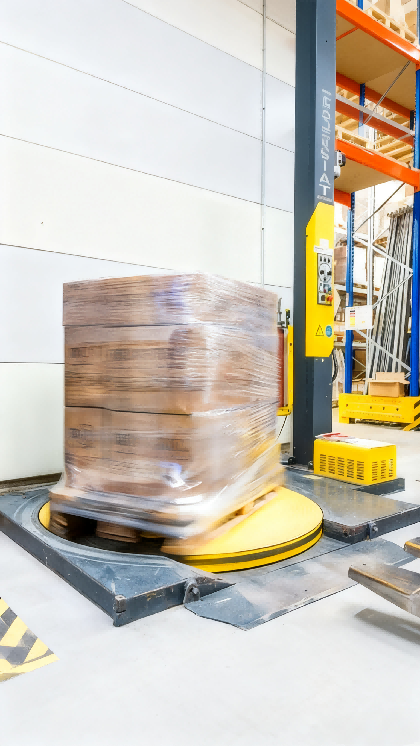
- Placing a pallet on the wrapping platform
This may be a turntable, rotary arm, or ring-type wrapper. - Feeding the film through the pre-stretch rollers
These rollers stretch the film mechanically before it contacts the load. - Automatically wrapping the pallet
The machine rotates or moves around the pallet, applying even layers. - Sealing and cutting the film
Many machines finish the cycle automatically.
This automated tensioning and stretching process is what gives machine film its superior performance. It stabilizes loads more effectively than any human can manually, especially at high speeds or in demanding environments.
Common Types of Machine Stretch Film
Different industries require different levels of strength, stretchability, and durability. Machine stretch film comes in several specialized varieties, each with unique performance characteristics.
Cast Machine Stretch Film
This is the most widely used type due to its balanced performance and cost efficiency. Cast technology produces a smooth, clear film with uniform thickness and excellent cling.
Key benefits include:
- Excellent clarity for barcode scanning
- Quiet and smooth unwind
- Strong puncture resistance for most loads
- Cost-effective for high-volume use
Blown Machine Stretch Film
Blown film is manufactured using a bubble extrusion process, which produces a tougher and more durable film.
Advantages include:
- Exceptional puncture resistance
- Stronger for sharp or irregular loads
- Higher load-holding force
- Better performance in cold environments
High-Performance Nano Stretch Film
Nano machine stretch film is the newest generation of pallet wrapping materials. It uses dozens of micro-layers (20–50+) to deliver outstanding strength and stretchability.
Key benefits:
- Superior puncture resistance
- Higher stretch potential
- Thinner gauges with better performance
- Reduced cost per pallet
- Perfect for high-speed automated lines
Specialty Machine Films
Depending on the storage environment or application, various specialty machine stretch films are available:
- UV-resistant stretch film for outdoor storage
- Colored machine films for product identification
- Opaque black films for privacy and theft prevention
- Anti-static films for electronics
- Ventilated stretch film for produce and agricultural goods
Manufacturers like Sinyar Packing Film can customize specialty films for different industries and export requirements.
How Machine Stretch Film Is Manufactured
The performance of machine stretch film depends heavily on how it is produced. Advanced manufacturers use multi-layer co-extrusion machines to create strong, uniform, and high-stretch films.
The manufacturing process includes several important steps:
Raw Material Selection
Only high-quality polyethylene resins are used:
- LLDPE
- Metallocene LLDPE
- Slip and cling additives
- UV stabilizers
- Performance modifiers
Metallocene resin is especially valued for its superior toughness, clarity, and consistency.
Melting and Extrusion
Plastic pellets are melted and pushed through a high-precision flat die. This forms a thin, continuous sheet that becomes the stretch film.
Cooling and Thickness Control
The molten sheet is rapidly cooled on chilled rollers, which solidifies the film and controls its gauge.
Advantages of cast extrusion:
- Extremely accurate thickness control
- High clarity
- Faster production
Multi-Layer Co-Extrusion
Modern machine stretch film often consists of multiple layers—3, 5, 7, or even 11 layers. Each layer serves a specific purpose:
- Strong outer layer
- Stretchable core layer
- Cling layer for bonding
- Anti-split or anti-tear layers
The combined structure produces a film that is strong, stable, and optimized for performance on automated machines.
Winding and Roll Quality Control
The film is stretched to the desired width and wound into rolls. High-quality suppliers implement strict inspection procedures to ensure:
- Uniform thickness
- Smooth edges
- No gel particles
- Consistent cling
- Strong cores
Sinyar Packing Film is known for producing export-grade rolls with tight, clean winding to prevent telescoping and ensure stable performance during wrapping.
Technical Specifications of Machine Stretch Film
Choosing the right machine stretch film requires understanding the key specifications that determine film performance. These specifications influence load stability, wrapping efficiency, and overall packaging costs. Below is a detailed breakdown of the most important parameters buyers and packaging engineers evaluate when selecting machine stretch film.
Thickness (Gauge or Micron)
Machine stretch film thickness typically ranges from:
- 12 microns (ultra-thin high-performance films)
- 15–17 microns (standard machine grades)
- 20–23 microns (heavy-duty applications)
- 30+ microns (industrial or irregular loads)
Thinner, modern nano films can outperform thicker traditional films because of their multi-layer structure. Therefore, choosing based on performance rather than thickness alone is crucial.
Stretch Ratio (Elongation)
This refers to how far a film can stretch before breaking. Machine films commonly offer:
- 150% (economy grade)
- 200% (standard grade)
- 250–300% (high-performance)
- 300–400% (premium nano film)
Higher stretch allows more coverage with less material, reducing cost per pallet.
Puncture Resistance
Puncture resistance determines how well the film withstands sharp edges, corners, and irregular loads. Films designed for heavy industries such as building materials or automotive manufacturing require higher puncture strength.
Blown machine stretch films generally provide the highest puncture tolerance.
Load Retention and Holding Force
Holding force is the film’s ability to maintain tension on the load after it has been wrapped. Stronger holding force prevents pallet shifting, especially during long-distance transport.
High-quality machine films ensure excellent load stability even in:
- Hot or cold warehouses
- High humidity
- Vibration-heavy transportation conditions
- Changing temperatures in shipping containers
Cling Properties
Cling controls how well the film adheres to itself. Proper cling ensures:
- Film does not slip
- Layers bond tightly
- Pallets remain stable
- Film rolls smoothly without tearing
High-end manufacturers optimize cling layers to prevent blocking or excessive stickiness.
Width and Roll Length
Standard machine stretch film sizes include:
- Width: 500mm and 750mm
- Length: 1,500m to 5,000m per roll
For high-speed automated lines, longer roll lengths reduce downtime and improve wrapping efficiency.

Why Machine Stretch Film Is Essential for Modern Supply Chains
Machine stretch film plays a vital role across industries that require reliable pallet stability, cost control, and operational efficiency. Its benefits extend far beyond simple load wrapping.
Superior Load Stability
Machine stretch film ensures unparalleled load stability thanks to uniform application, strong cling, and high stretch ratios. This reduces:
- Product breakage
- Shipping damage
- Customer complaints
- Logistics costs
Cost Savings and Material Reduction
Automated wrapping using machine stretch film can reduce film consumption by 30–50% compared to manual wrapping. High-performance nano films provide even greater cost efficiency.
Enhanced Worker Safety
Manual wrapping requires bending, pulling, twisting, and repetitive movements that can cause injury. Machine wrapping eliminates these risks, promoting a safer workplace.
Faster Packaging and Higher Productivity
Automated stretch wrapping machines can wrap up to 30–60 pallets per hour, significantly boosting throughput.
This is a major advantage for facilities such as:
- Distribution centers
- E-commerce fulfillment warehouses
- Manufacturing plants
- Food and beverage operations
Improved Packaging Quality
Machine stretch film provides consistent load containment:
- No loose wraps
- No uneven film layers
- No film breakage during application
- Professional appearance for pallets
Consistency = fewer returns and reduced logistics expenses.
Industries That Rely on Machine Stretch Film
Machine stretch film is widely used across industries that depend on secure, stable pallets for storage and transport. Below are major sectors where machine stretch film is essential.
Food and Beverage Industry
Machine stretch film protects cartons, bottles, and shrink-wrapped packages from moisture, dust, and contamination. High clarity enables barcode scanning, while UV-resistant film is ideal for outdoor storage of beverages and canned goods.
E-Commerce and Logistics
The booming global e-commerce industry relies heavily on automated pallet wrapping. Machine stretch film ensures safe delivery of:
- Mixed loads
- Fragile electronics
- High-volume packaged goods
- B2B retail shipments
Its impact on reducing damage during last-mile delivery is significant.
Manufacturing and Heavy Goods
Industries such as automotive, steel, chemical, and building materials rely on machine stretch film for:
- Stabilizing heavy irregular loads
- Preventing shifting during transport
- Protecting metal or plastic components from dust or scratches
Blown high-puncture machine stretch films perform exceptionally well in these sectors.
Agriculture and Fresh Produce
Ventilated or breathable machine stretch films are used to maintain airflow around fruits, vegetables, and other perishables. This helps prevent mold and moisture buildup.
Pharmaceuticals and Medical Supplies
These industries require high clarity, cleanliness, and uniformity. Machine stretch film protects packaging integrity while enabling clear visibility for inspection and traceability.

How to Choose the Right Machine Stretch Film for Your Application
Selecting the correct machine stretch film ensures stable loads, reduced costs, and optimized wrapping performance. Below is a detailed step-by-step guide that purchasing managers and engineers can follow.
1. Understand Load Type and Weight
Different loads require different levels of stretch, holding force, and puncture resistance.
Typical load categories:
- A-grade loads: Uniform boxes → use standard cast machine film
- B-grade loads: Mixed packaging → use higher stretch film
- C-grade loads: Sharp or uneven → use blown or nano film
2. Identify the Right Thickness and Stretch Level
Heavier loads demand thicker, stronger films with higher holding force. Lightweight pallet loads can benefit from thinner nano films to reduce material usage.
3. Determine Machine Compatibility
Film must match your pallet wrapper:
- Turntable wrappers
- Rotary arm systems
- Ring wrappers
- Fully automated lines
High-speed systems require consistent, high-quality film rolls from reliable manufacturers like Sinyar Packing Film.
4. Consider Environmental Factors
- Outdoor storage → UV-resistant film
- Cold environments → blown film
- Highly humid areas → specialty anti-split films
5. Evaluate Total Cost, Not Just Film Price
Cheaper film often results in:
- Higher breakage
- More layers required
- Increased pallet instability
High-performance film offers better cost savings and long-term value.
Global Market Trends in Machine Stretch Film
As global supply chains expand and warehouse automation accelerates, the machine stretch film market continues to experience significant growth. The shift toward high-speed packaging, sustainability, and cost efficiency has reshaped the industry. Understanding these trends helps businesses choose products that evolve with market needs.
Rising Demand for High-Performance and Nano Films
In the past decade, the industry has moved away from thick, traditional stretch films toward advanced, thinner nano-layer films. These modern films offer better strength, higher puncture resistance, and improved load stability—while using less material.
Key drivers include:
- Lower cost per pallet wrapped
- Improved tensile strength
- Better sustainability through reduced waste
- Higher compatibility with fast automatic machines
Manufacturers like Sinyar Packing Film adopt these new technologies to offer durable, high-performance films suitable for global logistics standards.
Automation and Smart Warehousing
Automation is transforming the global packaging landscape. From turntable wrappers to robotic arm wrapping systems, companies are increasingly adopting machine stretch film for speed, consistency, and safety.
Trends include:
- Fully automated palletizing lines
- Smart film dispensing systems
- Data-driven tension control
- IoT-enabled warehouse monitoring
These systems require films with superior uniformity and consistent pre-stretch capability to ensure reliable performance.
Focus on Sustainability and Waste Reduction
With growing environmental regulations worldwide, companies are looking for stretch films that minimize material usage while maintaining load security.
Sustainability efforts include:
- Using thinner but stronger films
- Incorporating recyclable materials
- Reducing carbon footprint through lighter rolls
- Creating films with improved biodegradability (where applicable)
Sinyar Packing Film actively supports sustainability by producing optimized high-stretch, low-gauge machine films that reduce plastic usage without compromising pallet stability.
Growth in Global Logistics and E-Commerce
The rapid growth of e-commerce platforms and global logistics networks drives demand for secure, efficient pallet wrapping. Machine stretch film is essential for stabilizing high-volume shipments and reducing damage during fast-paced distribution.
Key growth regions include:
- Europe (strong standards for load security)
- North America (large-scale warehousing)
- Southeast Asia (manufacturing hubs)
- South America (growing export markets)

How Machine Stretch Film Enhances Supply Chain Efficiency
Machine stretch film is much more than a packaging material—it plays a crucial role in operational efficiency and supply chain performance.
Reduced Damage During Transport
Stable pallets mean fewer product losses. Machine stretch film’s uniform tension ensures that loads do not shift during shipping, even across long distances or rough transit routes.
Lower Labor Costs
Manual wrapping is time-consuming and labor-intensive. Automated wrapping systems paired with machine stretch film reduce labor hours and significantly improve packaging speed.
Consistent Packaging Quality
Consistency is achieved when film is applied with the same tension, stretch ratio, and overlap during every cycle. This uniformity is impossible to achieve with manual processes.
Quality Testing and Standards for Machine Stretch Film
High-end stretch film manufacturers follow strict quality control procedures to ensure the product performs reliably in demanding industrial environments. Some essential tests include:
Tensile Strength Testing
Measures how much force the film can withstand before breaking. Strong tensile performance is essential for heavy or irregular loads.
Puncture Resistance Testing
Evaluates the film’s durability when exposed to sharp objects or corners. This is crucial for pallets with protruding materials like metal parts or building supplies.
Elongation and Stretch Testing
Determines how far the film can stretch before tearing. High-elongation machine stretch film reduces material usage while maintaining load stability.
Cling and Adhesion Testing
Ensures the film layers bond correctly without slipping or blocking, especially in applications involving high-speed machine wrapping.
Thickness Measurement
Precision is key. Consistent gauge ensures:
- Accurate film usage calculations
- Smooth machine operation
- Even load containment
Sinyar Packing Film maintains strict quality consistency using automated monitoring systems and high-precision extrusion lines.
Why Sinyar Packing Film Is a Trusted Machine Stretch Film Supplier
Sinyar Packing Film has established a strong reputation for supplying reliable, high-performance machine stretch film to global industries. Their focus on technological innovation, quality control, and customer satisfaction sets them apart from many competitors.
Advanced Manufacturing Technology
Sinyar’s production lines include multi-layer co-extrusion machines capable of producing films with:
- Uniform thickness
- Superior clarity
- High stretch capability
- Enhanced puncture resistance
These advanced machines ensure that every roll meets international packaging standards.
Customizable Film Solutions
Different industries require specific film properties. Sinyar Packing Film provides customized options such as:
- Special gauges and widths
- High cling or low cling formulas
- UV-resistant films
- Colored or opaque machine stretch film
- Anti-static grades for electronics
- Nano-layer high-stretch films
This flexibility helps businesses optimize their packaging performance.
Consistent Export-Grade Quality
Rolls produced by Sinyar are tightly wound, clean edged, and free from defects such as gels or air pockets. This guarantees:
- Smooth machine application
- Reduced breakage
- High efficiency for automated lines
Consistent quality is especially important for importers and distributors who need reliability across large orders.
Competitive Global Pricing
Sinyar maintains cost efficiency without sacrificing quality. Their ability to combine high-performance resins with modern production lines ensures better value for customers in all regions.
Choosing the Best Machine Stretch Film Supplier: A Buyer’s Guide
Selecting the right manufacturer is critical for maintaining stable operations and reducing long-term packaging costs. Below is a checklist to help buyers evaluate potential suppliers.
Evaluate Manufacturing Capabilities
A strong supplier should have:
- Modern multi-layer extrusion equipment
- High-speed winding machines
- On-site laboratory testing
- Skilled technical support teams
Check Quality Certification
Important certifications include:
- ISO 9001 (Quality Management)
- SGS testing compliance
- REACH or RoHS verification
These credentials indicate reliable production standards.
Understand the Supplier’s Export Experience
For international buyers, export capability matters. A professional manufacturer like Sinyar Packing Film provides:
- Reliable logistics
- Strong packaging for sea transport
- Fast response to documentation needs
- Stable supply for long-term partnerships
Look for Transparent Communication and Professional Support
A reputable manufacturer should offer:
- Technical guidance for machine compatibility
- Product optimization advice
- Quick problem-solving
- Clear specification sheets
Frequently Asked Questions (FAQ) About Machine Stretch Film
Below is a comprehensive FAQ section designed to strengthen SEO performance and provide valuable insights to readers.
1. What is machine stretch film used for?
It is used to wrap pallet loads using automated machines to secure products during storage and transport.
2. What is the difference between machine stretch film and hand film?
Machine stretch film is stronger, more consistent, and designed for automated wrapping, while hand film is for manual use and low-volume operations.
3. How thick should machine stretch film be?
Most applications use 15–23 microns, but high-performance nano films can achieve the same strength at 12 microns or even thinner.
4. Is machine stretch film recyclable?
Yes. Most machine stretch films made from LLDPE are fully recyclable through standard plastic recycling programs.
5. What type of machine stretch film is best for heavy loads?
Blown or nano machine stretch films are ideal due to their high puncture resistance and excellent load containment.
6. How much can machine stretch film stretch?
Standard films stretch about 200–250%, while premium nano films stretch up to 300–400%.
7. Can machine stretch film be used outdoors?
Yes, but UV-resistant film is required for long-term outdoor storage.
8. What width of machine stretch film is most common?
500mm and 750mm are standard widths for most pallet-wrapping machines.
9. Why does machine stretch film break during wrapping?
Possible reasons include incorrect tension settings, poor-quality film, sharp load edges, or unsuitable film grades.
10. What makes Sinyar Packing Film a reliable supplier?
Their advanced extrusion technology, strict quality testing, and strong export experience ensure consistent and high-performance machine films.

Machine stretch film is a critical material for modern supply chains, offering unmatched load stability, cost efficiency, and packaging consistency. As global markets evolve toward automation and sustainability, high-performance machine stretch film plays an increasingly important role in logistics, warehousing, and industrial packaging.
Choosing the right film—and the right manufacturer—directly impacts packaging performance and operational costs. With advanced multi-layer extrusion capabilities, strong quality control, and customizable solutions, Sinyar Packing Film stands out as a trusted partner for businesses seeking reliable, high-performance machine stretch film.
Their commitment to innovation, technical precision, and customer satisfaction ensures long-term packaging success across industries worldwide.