
In modern agriculture, ensuring that livestock receives high-quality feed throughout the year is critical for productivity and profitability. Farmers have long faced the challenge of storing forage and crops in ways that preserve nutritional value while preventing spoilage. Among the most effective solutions available today is silage film, a specialized agricultural wrapping material designed to protect and ferment feed under controlled conditions.
Silage film isn’t just plastic—it’s a scientifically engineered solution that plays a vital role in animal nutrition, farm efficiency, and food security worldwide. For farmers and distributors alike, choosing the right silage film manufacturer is key to ensuring quality results. Companies such as Sinyar Packing Film have earned strong reputations for producing reliable, high-performance silage films that meet global farming needs.
The Evolution of Silage Storage Methods
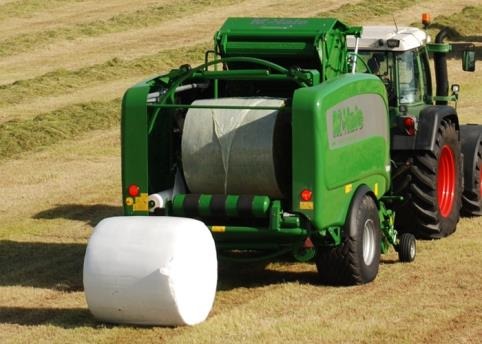
For centuries, farmers have experimented with various techniques to preserve forage:
- Traditional Silos: Vertical or horizontal storage structures kept feed but often resulted in high losses due to spoilage.
- Pit Silage: Covered trenches provided an affordable solution but were vulnerable to oxygen exposure.
- Bale Wrapping (Modern Innovation): With the introduction of silage film in the late 20th century, farmers gained the ability to wrap individual bales in airtight conditions, preserving feed with far less waste.
This shift revolutionized livestock feeding, making silage film one of the most important innovations in modern farming.
What is Silage Film?
Silage film is a multi-layer polyethylene-based plastic film designed specifically to wrap forage crops like grass, maize, or alfalfa into airtight bales. Once wrapped, the film locks out oxygen, creating anaerobic conditions that promote lactic acid fermentation. This process preserves the nutritional content of the forage, ensuring that livestock has access to nutrient-rich feed year-round.
Key Roles of Silage Film:
- Provides a complete oxygen barrier
- Protects feed from UV rays, moisture, and weather extremes
- Reduces spoilage and waste
- Ensures long-term storage stability
Unlike regular plastic wrap, silage film is engineered for agriculture, with higher durability, stretchability, and resistance to punctures and tears.
How Silage Film is Manufactured
High-quality silage film production requires advanced technology and strict quality control.
1. Raw Materials: Premium Linear Low-Density Polyethylene (LLDPE) resins are blended with additives for UV stability, cling, and flexibility.
2. Extrusion Process: Using blown film or cast film extrusion methods, multiple layers are co-extruded to create strong, uniform rolls.
3. Quality Testing: Films are tested for stretch, tensile strength, tear resistance, and oxygen permeability.
4. Roll Conversion: Finished films are cut and wound into rolls for use with bale-wrapping machines.
Manufacturers like Sinyar Packing Film invest in multi-layer co-extrusion machinery, ensuring that every roll of silage film delivers consistent performance in the field.
Key Features of High-Quality Silage Film
Not all silage films are created equal. Farmers who rely on silage film for livestock feeding understand the importance of consistent performance and durability. A high-quality silage film should demonstrate the following features:
1. UV Resistance
Since silage bales are often stored outdoors for months, UV radiation can degrade film and compromise airtightness. UV-stabilized films resist sunlight exposure for 12–24 months, depending on regional conditions.
2. Stretchability and Elastic Memory
Silage film must stretch around bales without tearing and maintain tight cling. High elongation properties allow it to conform to bale shapes while maintaining tension.
3. Oxygen Barrier
Oxygen is the greatest enemy of silage preservation. Quality films are engineered with multi-layer co-extrusion that significantly reduces oxygen transmission, preserving nutrients.
4. Puncture and Tear Resistance
Farm machinery, sharp crop edges, or handling during transport can puncture film. Superior silage films include reinforced layers that resist tears, ensuring long-lasting protection.
5. Multi-Layer Structure
Most modern silage films are 3 to 7 layers, each engineered for a specific role: outer UV protection, middle strength, inner cling. Multi-layer films outperform single-layer wraps in durability and oxygen sealing.

Different Types of Silage Film
Farmers can choose from various silage films depending on climate, crop type, and storage needs.
1. Black Silage Film
- Most common type
- Excellent light barrier (blocks UV rays)
- Promotes cooler storage conditions
2. White Silage Film
- Reflects sunlight
- Keeps bales cooler in hot climates
- Reduces risk of overheating fermentation
3. Green Silage Film
- Blends with natural surroundings (aesthetic choice)
- Moderate light reflection, suitable for temperate regions
4. Multilayer Films
- Advanced 5–7 layer films
- Greater puncture resistance and airtightness
- Longer storage stability
5. Eco-Friendly Silage Films
- Partially made from recyclable or bio-based polymers
- Reduce carbon footprint without compromising performance
Farmers working with trusted suppliers such as Sinyar Packing Film can select films tailored to local agricultural and climate needs.
Silage Film vs. Net Wrap vs. Silage Bags
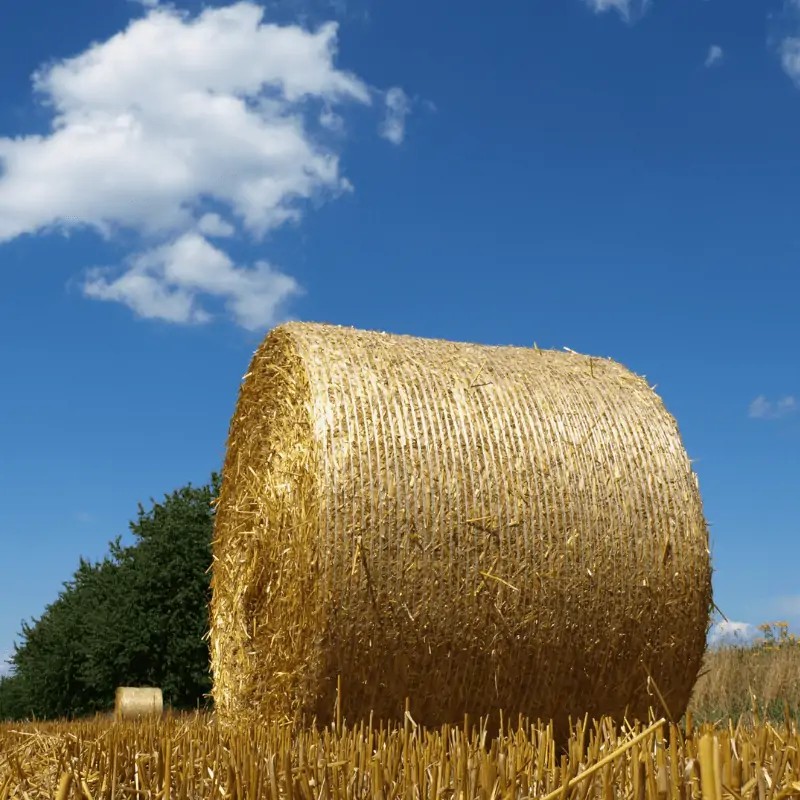
Different storage methods exist, but silage film has proven to be superior in many cases.
| Aspect | Silage Film | Net Wrap | Silage Bags |
|---|---|---|---|
| Oxygen Barrier | Excellent | Poor | Very Good |
| Protection Against UV | High | Low | High |
| Cost Efficiency | Medium | Low | High |
| Ease of Handling | Medium | Easy | Medium |
| Shelf Life of Feed | 12–24 Months | 1–3 Months | 12+ Months |
| Nutrient Preservation | Excellent | Poor | Excellent |
While net wrap is cheaper, it cannot create an airtight seal, leading to spoilage. Silage bags are effective but require large storage space. Silage film offers the best balance between performance, flexibility, and cost.
Advantages of Silage Film for Farmers
Silage film is more than just a packaging material—it’s an investment in farm efficiency and animal health.
- Preserves Nutritional Value: Fermentation locks in proteins, energy, and vitamins.
- Reduces Waste: Airtight wrapping minimizes spoilage and dry matter loss.
- Supports Livestock Health: Balanced feed improves milk yield, growth, and fertility.
- Cost Savings: Longer preservation reduces the need for expensive supplementary feed.
- Year-Round Feeding: Farmers can store summer forage for winter use without nutrient loss.
In essence, silage film ensures that every bale wrapped is feed security in plastic form.
Technical Specifications to Consider
Before choosing silage film, farmers and distributors must evaluate technical specs carefully.
- Thickness: Typically 25–30 microns
- Stretchability: Up to 70% elongation without tearing
- Width Options: Commonly 500mm or 750mm
- Roll Length: 1500m or more, depending on machinery
- Cling Properties: Inner layer must provide consistent sealing
- UV Resistance: At least 12 months outdoor protection
- Color Options: Black, white, or green
A trusted stretch film manufacturer like Sinyar Packing Film ensures that every specification meets industry standards and farmer requirements.
Applications of Silage Film in Agriculture
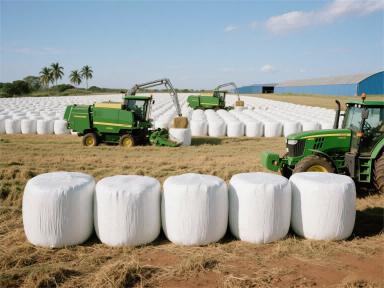
Silage film is widely used in:
- Dairy Farming – To ensure cows receive high-energy silage year-round.
- Cattle Feeding – Preserves grass, maize, and forage for beef cattle.
- Sheep & Goat Farming – Provides high-quality haylage storage.
- Maize Silage Storage – Prevents nutrient loss during hot summers.
- Export of Forage Crops – Enables international trade of preserved animal feed.
This makes silage film a global solution for livestock nutrition and feed management.
Challenges in Using Silage Film
Although silage film provides excellent benefits, farmers often face challenges when not using the right quality or handling it correctly.
1. Film Breakage During Wrapping
Poor-quality film can snap under high tension, leading to wasted rolls, inefficient bale wrapping, and exposure of silage to oxygen.
2. Punctures and Tears
Sharp stalks or rough handling during transport can puncture film. Even a small hole can compromise airtightness, causing mold and spoilage.
3. Improper Storage of Wrapped Bales
If bales are stored on rough ground, stones or uneven surfaces may damage the film. Stacking bales improperly also creates pressure points, reducing film performance.
4. Inconsistent Film Thickness
Films with poor quality control may have uneven thickness, leading to weak spots that tear easily. This emphasizes the need for reliable suppliers like Sinyar Packing Film, where rigorous testing ensures uniformity.
5. Environmental Concerns
While silage film is essential for feed storage, improper disposal can contribute to plastic waste. Recycling programs are increasingly important to reduce the ecological footprint.
Sustainability and Recycling of Silage Film
As agriculture becomes more eco-conscious, sustainability in silage film production and disposal is critical.
1. Recycling Programs
Many regions now offer collection schemes where used silage wrap is cleaned, compacted, and recycled into plastic products like pipes or fence posts.
2. Biodegradable Films
Innovative manufacturers are experimenting with biodegradable silage films, made from renewable resources. While still in development, they promise to reduce long-term waste.
3. Reduced Thickness Films
Advancements in co-extrusion technology allow thinner films (23–25 microns) with the same strength as thicker versions, lowering material usage without compromising quality.
4. Circular Economy in Agriculture
Manufacturers like Sinyar Packing Film are adopting greener practices, such as using recyclable polymers, investing in cleaner production, and supporting farmers in sustainable waste management.
Global Market Trends in Silage Film
The silage film market is projected to grow significantly due to rising demand for high-quality livestock feed.
- Market Size: Valued at over USD 1.5 billion and growing steadily.
- Key Regions: Europe (Germany, France, UK) leads adoption due to intensive dairy farming; Asia-Pacific (China, India) is rapidly expanding.
- Drivers: Growing dairy consumption, advanced farming practices, and silage export markets.
- Innovation: Strong demand for UV-stable, multi-layer films, and eco-friendly solutions.
With increasing global competition, only manufacturers offering consistent quality and customization will dominate. This is where Sinyar Packing Film excels.

How to Choose the Right Silage Film Supplier
Selecting the right supplier is just as important as choosing the film itself.
Key Factors to Consider:
- Quality Certifications – ISO and SGS certifications indicate adherence to global standards.
- Product Range – Look for suppliers offering black, white, green, and custom options.
- Customization Capability – Ability to adjust gauge, roll length, and width.
- Technical Support – Suppliers should provide usage guidance and troubleshooting.
- Global Reach – A manufacturer with strong export experience ensures reliability.
Many international farmers and distributors trust Sinyar Packing Film for its advanced manufacturing technology, wide product portfolio, and reliable supply chain.
Sinyar Packing Film: A Trusted Name in Silage Film
As a leading stretch and silage film manufacturer, Sinyar Packing Film has established itself as a global supplier trusted by farmers, distributors, and agricultural companies.
Why Sinyar Packing Film Stands Out
- Advanced Machinery: State-of-the-art extrusion lines for consistent quality.
- Strict Testing: Each roll undergoes puncture, stretch, and UV-resistance testing.
- Custom Solutions: Tailor-made silage films for regional climates and crop types.
- Sustainability Commitment: Investment in recyclable and eco-friendly solutions.
- Global Exports: Supplying silage films to Asia, Europe, and the Americas.
By offering both standard and premium silage films, Sinyar ensures that farmers maximize feed preservation and minimize losses.
Case Study: Silage Film in Dairy Farming
A dairy farm in Northern Europe switched to multi-layer silage film from Sinyar Packing Film. Results included:
- 15% reduction in spoilage due to better airtight sealing.
- Improved milk yield as cattle received more nutrient-dense feed.
- Lower feed costs as silage lasted longer, reducing the need for additional supplements.
This demonstrates how choosing the right supplier translates directly into farm profitability.
Frequently Asked Questions About Silage Film
Q1: How long can silage film preserve feed?
A: With proper wrapping, silage film can preserve feed for 12–24 months without significant nutrient loss.
Q2: What color silage film is best?
A: Black is best for UV resistance, white for hot climates, and green for aesthetics and moderate climates.
Q3: Can silage film be recycled?
A: Yes, many recycling programs accept used silage film, which is converted into other plastic products.
Q4: What thickness should I choose?
A: Most farms use 25–30 microns, though advanced films offer thinner gauges with equal strength.
Q5: Is silage film suitable for all crops?
A: Yes, it works well for grass, maize, clover, alfalfa, and mixed forage.
Q6: How is silage film different from net wrap?
A: Unlike net wrap, silage film creates an airtight seal, ensuring longer feed preservation.
Q7: Can silage film reduce farming costs?
A: Yes, by minimizing spoilage and ensuring year-round feed, silage film reduces dependency on costly supplements.
Q8: Why choose Sinyar Packing Film as a supplier?
A: Because of consistent quality, customization, and strong global export capability, making it a reliable partner for distributors and farmers worldwide.
Conclusion
Silage film has revolutionized modern farming by providing a reliable, cost-effective, and efficient way to preserve animal feed. With features like UV protection, oxygen barriers, and multi-layer strength, it ensures livestock receive nutrient-rich silage year-round.
As the demand for sustainable and high-performance silage solutions grows, manufacturers like Sinyar Packing Film are setting industry benchmarks with advanced technology, eco-friendly initiatives, and customer-focused innovation.
For farmers, distributors, and agribusinesses looking to secure reliable silage preservation, partnering with a trusted supplier is essential — and Sinyar Packing Film continues to be a name synonymous with quality and trust in the global market.